

| Key Takeaways: – Time and attendance management is the process of tracking when employees start work, finish work, take breaks, and go on leave. – It helps HR managers run payroll accurately, stay compliant with labour laws, and keep the workforce productive. – A good attendance system connects daily employee data to shift schedules, leave records, and salary calculations. – Businesses in Pakistan and across the region use it to cut payroll errors, reduce time theft, and make workforce planning easier. – Whether you run a factory, a school, or a corporate office, a reliable attendance system is one of the smartest HR investments you can make. |
Nobody became an HR manager to fix timesheets at midnight.
Yet that is exactly where thousands of HR professionals end up every month. One supervisor did not submit the register. Another team’s overtime is missing. Someone’s leave was approved verbally but never logged. So you sit there, cross-referencing a spreadsheet, a paper register, and three WhatsApp messages, trying to piece together who actually worked last week.
Worse, half those records cannot even be trusted. Employees sign in for each other. A buddy clocks in ten minutes early on someone’s behalf. The register looks clean. The hours are inflated. Nobody notices until the payroll is already gone.
The data is scattered. The numbers are off. Payroll is due tomorrow.
This is what broken time and attendance management looks like in practice. It drains your time, frustrates your team, and costs your business money it never sees leaving. This guide gives HR managers a full, practical breakdown of how to fix it — the right methods, the right tools, and what to look for when choosing a system that actually works.
What Is Time and Attendance Management?
Think of it as the paper trail your payroll depends on. Time and attendance management captures the exact moment an employee starts work and the moment they leave. It stacks that against their approved leave and any overtime logged. The result is an accurate, auditable record of what your workforce actually did — not what anyone remembers.
Why Time and Attendance Management Matters
Wrong hours mean wrong salaries. Wrong salaries mean angry employees, failed audits, and HR disputes that eat up weeks.
Payroll Accuracy
Salary mistakes create friction between employees and finance teams. When attendance data is clean, payroll runs faster, and the back-and-forth stops. Your HR team stops manually checking timesheets before every pay run. The system has already done that work.
Labour Law Compliance
Under Pakistan’s Factories Act and provincial labour regulations, employers must keep accurate records of working hours, overtime, and leave. The ILO has been setting working hour guidelines since 1919. Most countries, Pakistan included, have built their labour laws around those same principles.
Fragmented records invite compliance failures. A solid digital log protects the company in any audit or employee dispute.
Workforce Productivity
Accurate attendance tracking naturally improves employee punctuality. Staff members arrive on time and take standard breaks when accountability counts. Managers can quickly identify negative attendance trends. Multiple absences in a specific department often indicate underlying issues with morale or heavy workloads.
Workforce Planning
Past attendance data tells you which days are heavy and which shifts run short. That makes leave approvals fairer and roster planning much more accurate.
Time and Attendance Management System’s Core Components
To simplify daily HR operations, modern attendance systems combine several features. The primary digital time log tracks when workers start and end their shifts. This continuous automation eliminates paper timesheets and manual entry entirely.
- Overtime and Break Monitoring: The system tracks hours worked beyond standard shifts and breaks. It also monitors break durations to maintain accurate daily logs.
- Absence and Leave Tracking: The platform logs sick days, annual leave, and unpaid time off. This centralizes all absence categories for easy tracking.
- Work Schedule Management: Managers configure shift rotations, working hour rules, and company holiday calendars. The software applies these guidelines automatically across teams.
- Reporting and Compliance Logs: The system generates daily registers, monthly summaries, and audit-ready records. These digital logs simplify regulatory compliance.
Time and Attendance Methods
Not every organization uses the same method. The primary options range from basic handwriting to sophisticated mobile tracking software.
Paper-Based Method
Employees sign a paper register when starting and ending their shifts. This approach keeps expenses to a minimum and avoids technology altogether. The manual paperwork remains time-consuming, open to time theft, and difficult to manage across larger teams.
Excel-Based Method
HR teams record attendance in spreadsheets. It is more organized than paper but still relies on manual data entry. Errors are common, and scaling is difficult.
Electronic Hardware-Based Method
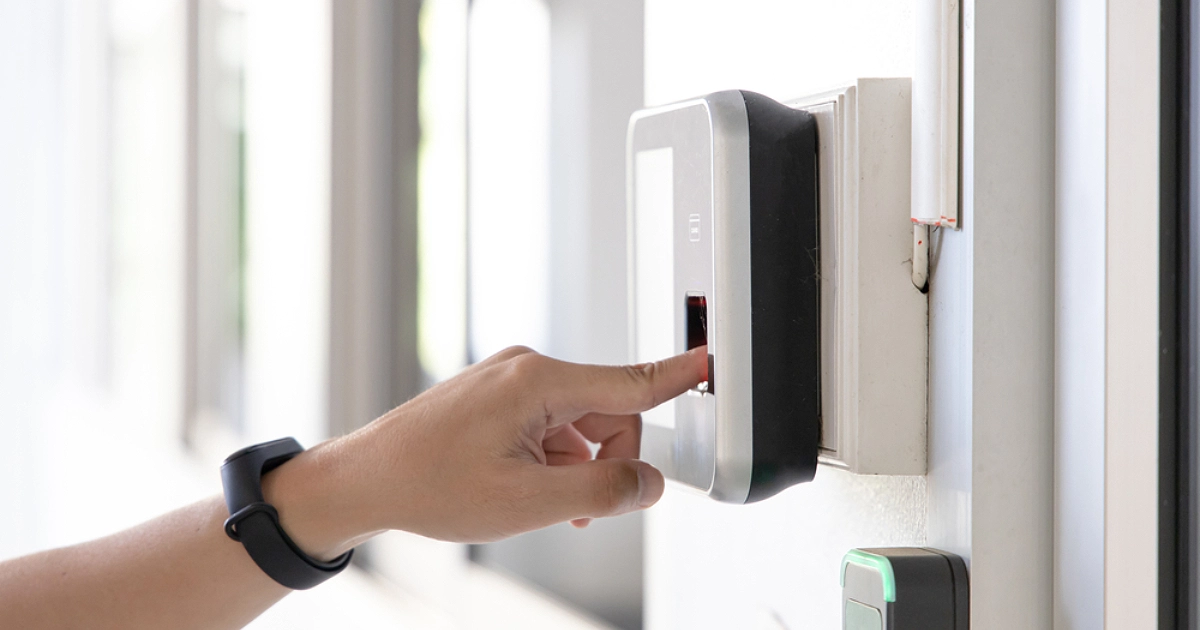
Dedicated terminals verify identity using unique physical features, such as facial structure or fingerprints, before logging a shift. The automated approach ensures accurate presence logs and eliminates buddy punching.
Cloud and Mobile App-Based Method
The business tracks labor hours via responsive web portals or mobile applications that include location verification. This strategy provides real-time oversight and connects instantly with modern payroll systems.
Comparison Table: Time and Attendance Methods
| Method | Accuracy Level | Setup Cost | Main Advantages | Main Limitations | Best For |
| Paper-Based Register | Low | Very Low | No technology required and simple to implement. | Prone to manipulation, human error, and slow payroll processing. | Tiny businesses with small staff numbers. |
| Excel-Based Tracking | Medium | Low | Basic reporting options and better organization than paper. | Manual entry mistakes, poor automation, and scaling issues. | Small offices with stable workforce sizes. |
| Biometric Hardware System | Very High | Medium | Completely stops buddy punching and improves payroll precision. | Demands upfront hardware investment and device upkeep. | Factories, warehouses, schools, hospitals, and large offices. |
| Cloud and Mobile App System | High | Low to Medium | Real-time tracking, remote access, and instant database sync. | Depends entirely on network connectivity and smartphone access. | Remote teams, field staff, and multi-branch companies. |
How Time and Attendance Management Works: The Core Process
Behind every clean payroll run is a four-step process most HR teams never see.
Step 1: Data Capture
Employees log their daily attendance through attendance terminals (facial scanners or fingerprint devices), ID badges, or online portals. Every single timestamp syncs directly with the matching employee account instantly.
Setting up physical scanners at the office entrance provides foolproof security for your records. Every hour on the payroll is an hour someone actually worked.
Step 2: Data Processing
Your shift rules go in once. The system applies them to every clock-in from that point forward. It marks late arrivals, early departures, and extra hours worked to build a clear picture of daily labor.
Having software handle the underlying logic prevents human calculation errors across complex department shift rotations.
Step 3: Reporting
Supervisors review real-time dashboards showing active staff presence and departmental summaries.
These exportable files provide clean documentation for compliance tracking, performance metrics, and historical archives. Clear data visualization removes the guesswork from monitoring overall workforce health.
Step 4: Payroll Integration
Presence records transfer directly into the core payroll engine to finalize employee compensation. The platform combines actual hours worked with verified leave categories and overtime rates to generate accurate pay slips.
This automated pipeline removes the main source of payroll discrepancies.
Best Practices for Effective Time and Attendance Management
Communicate Policies Clearly: Before their first day, every staff member should be familiar with the clock-in procedure, leave request instructions, and overtime policies.
Monitor Regularly: Do not wait for the month-end to review attendance data. Weekly checks catch problems before they become payroll disputes.
Address Issues Proactively: Many absences or unusual patterns should spark a discussion rather than merely a warning.
Keep the System Updated: Shift rules, public holidays, and team structures change. Keep your configuration updated, so reports remain accurate.
Evaluate and Improve: Every 6 months, go over your attendance procedure. Talk to HR and managers about what is going well and what isn’t.
Benefits of Time and Attendance Management in HR
Here is what a well-run time and attendance management system delivers for your organization:
- Eliminates buddy punching and time theft with biometric verification
- Reduces payroll processing time from days to hours
- Improves compliance with Pakistan labour laws and audit requirements
- Promotes employee accountability and timeliness throughout every division
- Real data for workforce planning, shift scheduling, and leave management is supplied.
- Significantly reduces the administrative load on HR teams.
Common Challenges in Managing Time and Attendance
Even the best systems face real-world challenges. Knowing them helps you plan better.
Remote and Hybrid Employees: Tracking remote workers requires mobile apps that support GPS check-ins or virtual clock-in portals. Hardware alone is not enough for distributed teams.
Hardware Reliability in Harsh Environments: Factories, warehouses, and outdoor sites put devices through heat, dust, and humidity. Choose hardware rated for industrial conditions, not just office use.
Network and Power Outages: Biometric devices with offline storage can continue recording even during network or power outages. Confirm your device has local backup capability before purchasing.
How To Choose the Right Attendance System for Your Organization
Choosing the wrong system costs time and money. Use these steps to make a confident decision.
- Assess Your Needs: Count your employees, identify your locations, and list your shift types before looking at any product.
- Prioritize User Experience: A system that employees find confusing will not be used correctly. Test the interface before committing.
- Evaluate Integration: Your attendance system should integrate directly with your payroll or HCM software, such as Flow HCM.
- Plan for Growth: Choose a system that scales with your team as it grows, without requiring a full replacement.
- Verify Compliance Features: Ensure the system supports the reporting formats required by Pakistan’s labour regulations.
- Check Vendor Support: Reliable after-sales support and device maintenance matter more than price in the long run.
FlowFiz’s Approach: Hardware-First Attendance Management
FlowFiz takes a hardware-first approach to solving attendance challenges. The company understands that software alone cannot fix what happens at the gate every morning.
We at FlowFiz offer a comprehensive attendance workflow through products like biometric attendance devices, CCTV attendance cameras and smart security gates. This hardware integrates directly with Pakistani HR and payroll platforms to capture accurate entry data while elevating workplace protection.
If you want to see which solution fits your site, contact us for a consultation.
FAQs
What is the core purpose of attendance management?
Time and attendance management is how a business tracks when employees work, how long they work, when they take leave, and when they put in overtime. That data feeds directly into payroll and compliance reporting.
What makes an attendance guide valuable for HR specialists?
It delivers a clear roadmap for selecting reliable tracking systems and optimizing daily administrative workflows. Following these established principles helps departments reduce compliance risks and cut out tedious spreadsheets.
What is the most effective tracking strategy for a growing workforce?
Physical biometric scanners combined with real-time digital syncs offer the best accuracy for substantial teams. The hardware ensures absolute data integrity and integrates with backend payroll engines to keep corporate finances clean.
How does time and attendance management for HR managers reduce payroll errors?
When attendance data is captured automatically and flows into payroll software, manual re-entry is removed. This eliminates the most common source of salary mistakes in time and attendance management for HR managers.
Can FlowFiz devices work without an internet connection?
Yes. FlowFiz biometric devices have local storage capacity. They continue recording attendance data during power or network outages and sync once connectivity is restored.
Conclusion
Getting time and attendance management right comes down to two things: reliable data at the point of entry, and a system that knows what to do with it. When those two connect, payroll errors drop. Disputes get resolved faster. Managers stop guessing and start making decisions based on real numbers.
A fingerprint scanner without reporting software gives you raw data you cannot use. Reporting software without reliable hardware gives you data you cannot trust. You need both to work together.
Ready to fix your attendance process? Explore FlowFiz solutions or get in touch with the team to find the right fit for your organization.