

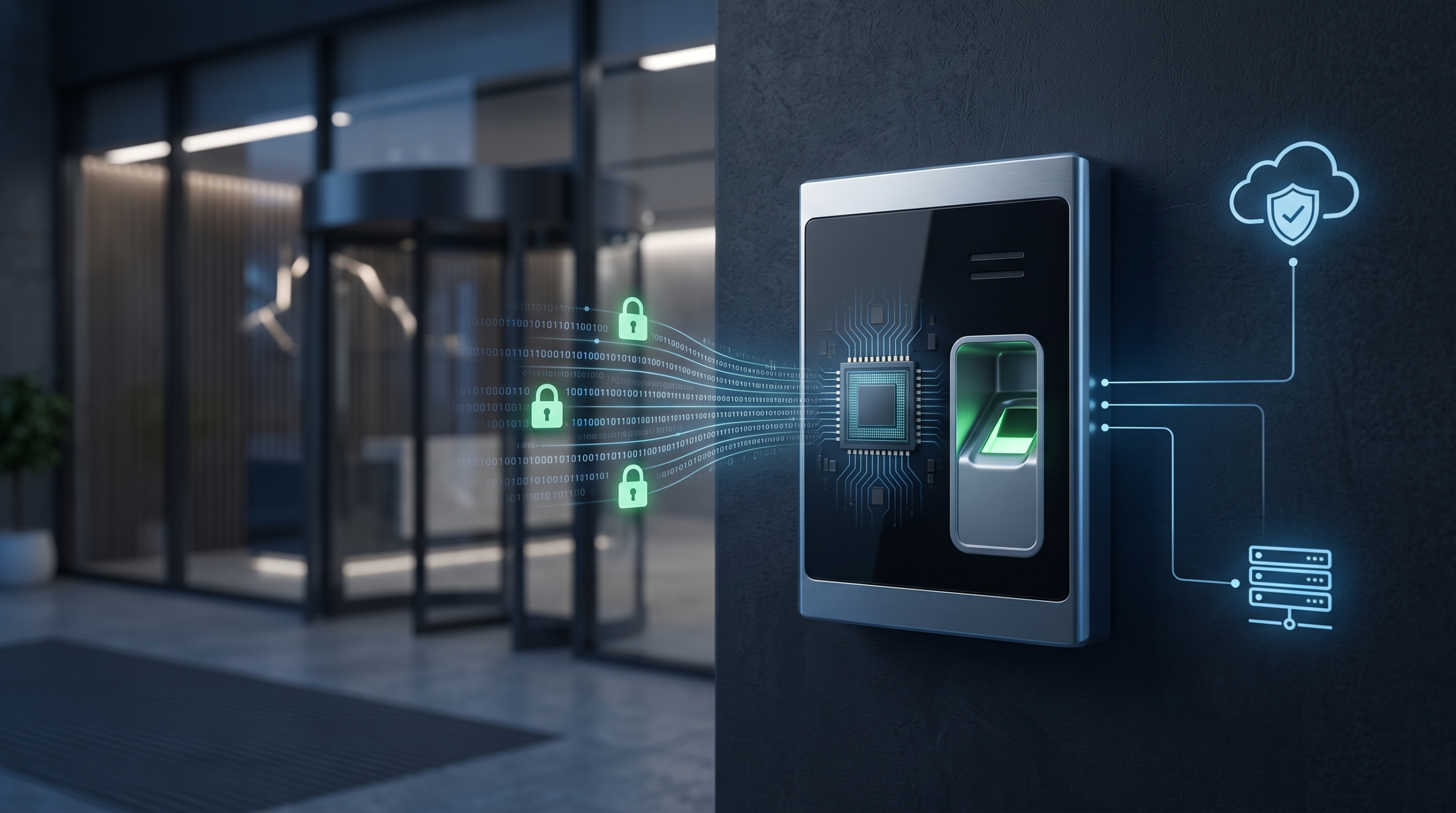
Nearly every AI Access Control panel on the market runs on chips built through the same global supply chain, including ones sold under premium brand names. A chip’s country of origin says little about how secure a system actually is. Firmware design, encryption, and update management decide that instead. Buyers who understand this can evaluate access control hardware on facts rather than marketing claims. This guide explains what actually protects a building and how to choose a system built for real-world use in Pakistan.
Most offices trust the badge. Very few ever stop to ask about the chip behind it.
Every “AI” Access Control panel on the market today runs on hardware built somewhere inside the same small cluster of global chip factories. That includes premium international brands with famous names. It also includes some FlowFiz products, and we’re not going to pretend otherwise.
Here’s the truth most vendors won’t say out loud: a chip’s birthplace is almost irrelevant to how secure your building actually is. What matters is what happens after that chip leaves the factory, how the firmware is written, how updates are managed, and how the vendor behaves once the invoice is paid. This guide walks through the real difference between chip origin and genuine AI Security so that you can choose your next Biometric Attendance Device based on evidence instead of assumptions.
Ask ten security vendors where their chips actually come from, and watch how many change the subject. That silence is the real problem here, not the supply chain itself. It lets marketing language stand in for real answers, and it leaves business owners comparing logos instead of comparing what genuinely keeps a building safe. By the end, you’ll know exactly what to ask before you sign a contract for your next Cloud-Based Access Systems rollout.
Every Modern Access Control Brand Shares Similar Chip Supply Chains
Nearly every access control brand buys processors from the same handful of global semiconductor manufacturers. The badge on the box rarely tells you where the silicon inside was actually made.
Most of the world’s camera sensors, fingerprint scanners, and processing chips come from a small cluster of factories concentrated in East Asia. This applies to global names, to regional competitors, and to many FlowFiz devices too. The chip market is too specialized and too capital-heavy for most brands to build their own components from scratch.
The Chip Brand Is Rarely the Product Brand
A company’s logo on the front of a panel rarely matches the name printed on the chip inside it. Car manufacturers buy engines from outside suppliers. Phone makers buy camera sensors from a handful of specialist firms. Access control works the same way. The brand you buy from designs the system, writes the firmware, and stands behind the warranty. The chip supplier is a separate business entirely.
Global Manufacturing Is the Industry Standard
Laptops run on this model. Routers do too, along with medical scanners and half the gadgets sitting on your desk right now. A small number of foundries manufacture most of the planet’s chips, and thousands of brands simply buy from them afterward and put their own name on the box. Judging a security system by where its chip was born misses the actual risk, and it wastes time buyers could spend asking sharper questions instead.
Firmware Security Defines Real Protection, Not Country of Origin
Here’s the part that actually decides your building’s security: firmware, not the factory that manufactured the chip inside your panel.
Firmware is the software layer sitting on top of the hardware, quietly controlling what it’s allowed to do. It manages encryption keys, decides how a device talks to your network, and controls who can reach the admin settings. Put two devices side by side with the same chip, and they can still behave in completely different ways. The difference almost always comes down to firmware.
- Encryption that actually holds up, both on the device itself and while data moves across your network.
- Secure boot, so the system refuses to run firmware that’s been tampered with or never authorized in the first place.
- A real patching process. Vulnerabilities get discovered constantly, and vendors need to close them fast.
- Strong authentication for admin access. Default passwords should never make it past setup.
None of these four things show up on a spec sheet, yet they matter more than any label printed on a circuit board.
Smart Procurement Depends on More Than Hardware Specifications
A spec sheet tells you what a device can do today. It says nothing about whether the vendor will still pick up the phone three years from now.
Buying Access Control hardware is closer to hiring a long-term partner than making a one-time purchase. Plenty of regional businesses have learned this the hard way, chasing an overseas vendor who simply stopped answering support tickets once the invoice was paid.
- Vendor accountability: who actually answers when something breaks at 2 A.M.?
- Warranty terms worth reading twice: what’s covered, and for how long, exactly?
- Local support, meaning a technician who can show up at your site, not a call center overseas.
- Integration with your existing HR or attendance software, so you aren’t running two disconnected systems.
- Lifecycle costs over five years. The sticker price is rarely the real price.
Transparency Creates Better Security Decisions
Vendors willing to talk openly about their supply chain tend to build the kind of long-term partnerships that vendors who dodge the topic never manage.
Hiding where components come from doesn’t make a system any safer. It just leaves buyers guessing. A vendor willing to answer sourcing questions honestly tends to carry that same honesty into firmware updates, warranty claims, and security disclosures down the road. That pattern is worth paying attention to.
Businesses that ask blunt questions before signing anything tend to skip the unpleasant surprises that show up after installation. At the end of the day, a Fingerprint Attendance Machine or door panel is only as reliable as the company standing behind it, chip and all.
Strong Access Control Comes From the Complete Security Stack
Hardware is one piece of a much larger system. Software, firmware, and correct deployment matter just as much.
Hardware Is Only One Layer
A biometric scanner or Door Access Machine only captures data. What happens to that data next determines whether your building is actually protected.
Software, Firmware, and Deployment Complete the System
- Access rules: Who can enter which door, and when?
- Role-Based Access Control: Permissions should match job responsibilities, not blanket access for everyone.
- Cloud management: A cloud-based access systems platform lets you update permissions remotely across multiple sites.
- Audit trails: Every entry and exit should be logged and easy to review.
A system with excellent hardware and weak deployment still leaves gaps. The reverse is just as true.
Practical Evaluation Criteria Separate Reliable Systems From Marketing Claims
A short checklist can cut through vendor marketing and reveal what actually matters.
- Firmware update frequency
- Encryption standards used
- Audit log depth and retention
- Vendor support response time
- Compliance with data protection expectations
- Local servicing availability
- Scalability across multiple sites
- Integration with existing HR systems
Run any vendor’s pitch through this list before signing a contract.
FlowFiz Builds Trust Through Transparency Instead of Marketing Claims
FlowFiz sources components through the same global supply chains as most of the industry. What sets a system apart is what happens after the hardware ships. We manage firmware updates directly, deploy systems through experienced technicians, and provide responsive support without routing tickets overseas.
Every access panel and biometric attendance device we deploy ships with role-based access Control and cloud management already built in, not sold as an expensive add-on.
At FlowFiz, that transparency shapes how we work with you, not just what we sell you. Every deployment starts with an honest look at your building, your risks, and what your team actually needs a system to do. You get straight answers on sourcing, firmware, and support before you commit to anything, so the decision stays fully in your hands.
Better Security Starts With Better Buying Decisions
None of this makes chip origin a security concern. It simply isn’t the detail that decides whether your building stays protected. Firmware design, encryption, and the vendor standing behind the system do that work instead.
Before signing anything, it helps to boil the whole decision down to a few basics:
- Chips are global. That part of the story is the same everywhere.
- Real security is layered, not a single feature on a spec sheet.
- Firmware matters more than where the chip was manufactured.
- Vendor support determines whether the system still works well in year three.
- Transparency from a vendor is usually a sign of everything else done right.
- The strongest buyers judge the whole system, not just the hardware.
The next time a vendor talks about their “AI chip,” ask about firmware updates instead. That answer tells you far more about your device’s real security than any spec sheet ever will.
Frequently Asked Questions
Does an AI Chip determine the security of an access control system?
No. The chip only processes data. Firmware, encryption, and update practices determine real AI Security, not the processor’s brand or origin.
Which factors deserve the most attention before purchasing?
Focus on firmware update frequency, encryption standards, vendor support, and integration with your existing systems rather than chip origin alone.
Which access control solution fits a growing business?
A Cloud-Based Access Systems platform with Role-Based Access Control scales easily across new sites and new staff without replacing hardware.